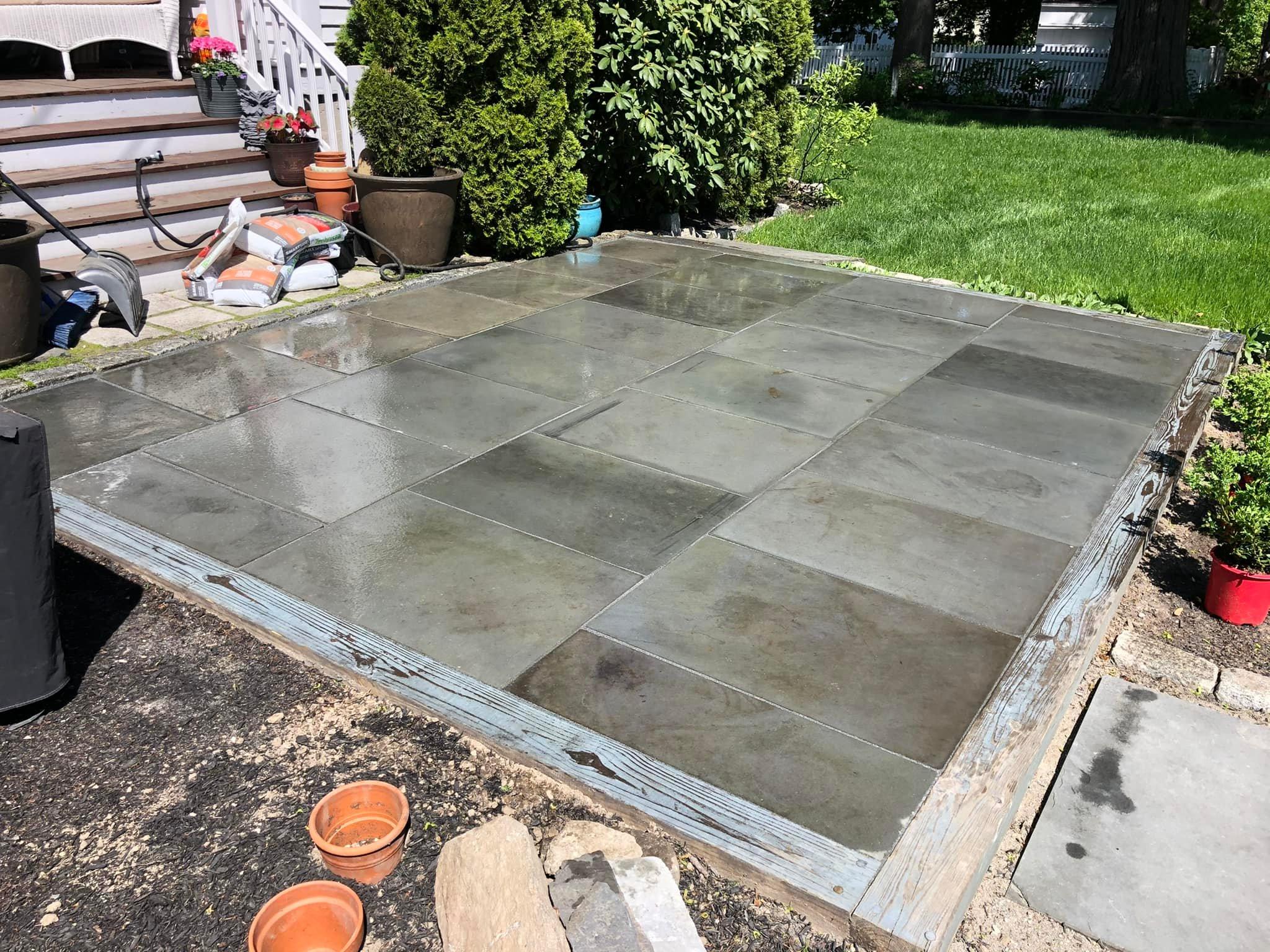
What is the Difference Between Concrete Sealing and Paver Sealing?
Imagine stepping outside to a stunning patio or driveway that not only enhances your home’s curb appeal but also stands the test of time. Achieving this vision often requires understanding the nuances of maintenance, particularly when it comes to sealing surfaces like concrete and pavers. While both types of sealing serve to protect and beautify outdoor areas, they are not interchangeable. Understanding the differences between concrete sealing and paver sealing is crucial for making informed decisions that ensure long-lasting durability and aesthetic appeal.
Material Composition and Characteristics
Concrete and pavers, while often used interchangeably in outdoor spaces, have distinct material compositions that influence their characteristics and sealing needs. Concrete is typically a mixture of cement, water, sand, and gravel, resulting in a dense and smooth surface. Its uniformity and solid structure make it sturdy yet susceptible to cracking under temperature changes or heavy loads. Pavers, on the other hand, are individual units made from concrete, clay, or natural stone, each with unique textures and colors. These modular components are designed to interlock, creating flexible surfaces that adapt to shifting and settling over time. The varied material composition of pavers offers aesthetic versatility and requires a sealing approach that considers their unique absorption and joint structure.
When choosing a sealant for concrete versus pavers, several factors come into play due to their inherent differences. Concrete’s relatively non-porous surface requires a sealant that can penetrate and adhere well, providing protection against moisture and chemical damage. With pavers, the focus shifts to managing porosity and texture, as well as ensuring the joints are sealed to prevent weed growth and sand erosion. Sealants for pavers often need to enhance color and resist UV damage, maintaining the vibrant look of the individual stones. Thus, the choice of sealant is heavily influenced by the material’s characteristics, dictating whether a film-forming or penetrating sealant is most appropriate, and guiding the application technique to ensure longevity and optimal protection.

Sealant Types and Their Application
When it comes to sealing outdoor surfaces, choosing the right type of sealant can significantly enhance the longevity and appearance of concrete and paver installations. Penetrating sealants, often used for concrete, are designed to infiltrate the surface, providing protection against moisture and chemical damage while preserving the material’s natural look. Acrylic sealants are versatile, offering a protective layer that enhances color and gloss, making them a popular choice for both concrete and pavers. Polyurethane sealants are known for their durability and resistance to abrasion, ideal for high-traffic areas. Each type of sealant brings unique benefits, tailored to meet the demands of different surfaces, ensuring that both aesthetic and functional qualities are maintained.
The application process for concrete and paver sealing requires careful consideration of the distinct properties of each material. Concrete sealing typically involves a thorough cleaning to remove debris and stains, followed by the application of the sealant using a sprayer or roller to ensure even coverage. The drying time can vary, but it is crucial to allow proper curing to achieve optimal protection. Paver sealing, however, might involve additional steps, such as ensuring the joints are filled with sand and the surface is completely dry before application to prevent sealing in moisture. The application technique might include brushing or spraying to accommodate the texture and joint structure of the pavers. Selecting the appropriate sealant and application method is essential for achieving a long-lasting, protective finish tailored to each surface’s specific needs.
Aesthetic Enhancements: Finish and Color Options
Concrete sealing offers a variety of aesthetic enhancements that can dramatically transform the look of any outdoor space. Sealants for concrete come in several finishes, allowing you to tailor the appearance to your desired style. A matte finish can create a subtle, understated look that complements natural surroundings, while a glossy finish adds a sleek, modern touch that highlights the surface’s smoothness. Beyond finishes, color-tinted sealants provide the opportunity to either enhance the existing hue of the concrete or introduce new colors to match your design vision. These sealants can enrich the natural gray tones or completely change the color palette, adding vibrancy and depth to otherwise plain surfaces. By selecting the right combination of finish and color, you can effectively personalize and enhance your outdoor environment.
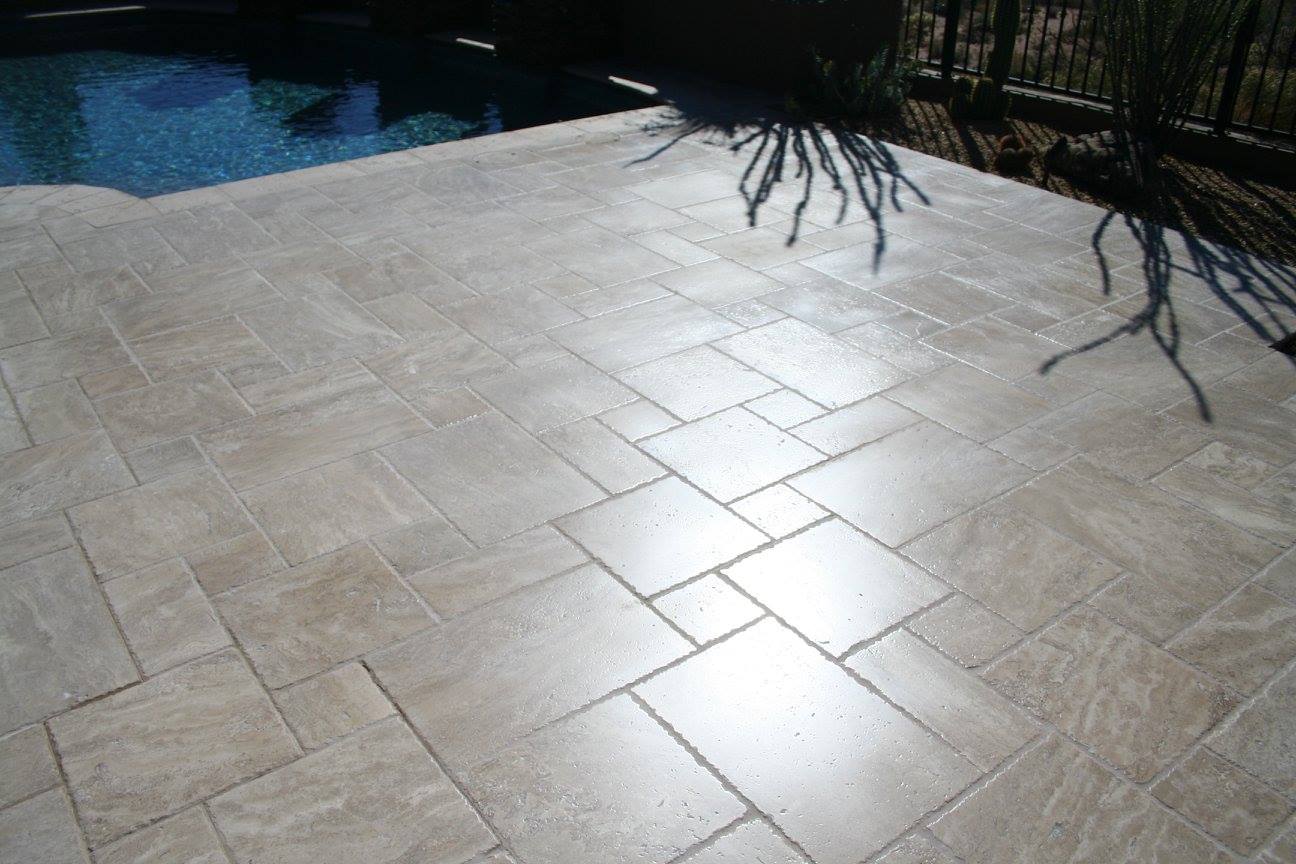
Paver sealing, on the other hand, focuses on amplifying the inherent beauty of each stone while providing long-lasting protection. Sealants for pavers often include options for color enhancement that deepen the natural tones, bringing out the rich hues and intricate patterns of materials like brick, stone, or concrete pavers. The choice of gloss levels, from a natural wet look to a high-gloss shine, can elevate the overall aesthetic, giving the pavers a refreshed appearance that draws attention to their unique textures. Additionally, high-quality sealants protect against UV fading and staining, ensuring that the vibrant colors remain intact over time despite exposure to the elements. By selecting appropriate sealants, you can preserve and enhance the visual appeal of your pavers, maintaining their charm and character for years to come.
Protective Benefits: Weather and Wear Resistance
Concrete sealants are designed to offer robust protection against the harsh elements of weather and everyday wear. By forming a barrier over the surface, these sealants effectively repel water, preventing moisture from seeping into the concrete and causing cracks or surface erosion. This water-resistant quality is crucial in climates with frequent rain or snow, as it helps maintain the integrity of the concrete over time. Additionally, concrete sealants provide a shield against harmful UV rays, which can cause surface fading and deterioration. With the ability to withstand temperature fluctuations, these sealants help prevent the expansion and contraction that often lead to unsightly cracks, ensuring the longevity and durability of your concrete surfaces.
Paver sealants, while also providing weather resistance, focus on preserving the structural and visual appeal of the individual blocks. These sealants help prevent erosion by stabilizing the sand in the joints, reducing the risk of shifting or settling that can occur with heavy rains or foot traffic. Moreover, paver sealants act as a deterrent against weed growth, effectively filling the gaps and preventing seeds from taking root, which keeps the surface looking neat and well-maintained. The protection extends to shielding the pavers from UV damage, preserving their vibrant colors and textures despite prolonged sun exposure. By maintaining the structural integrity and aesthetic beauty of your pavers, sealants play a crucial role in enhancing the longevity and appearance of outdoor spaces.
Maintenance Requirements and Longevity
Concrete sealing offers a relatively straightforward maintenance routine that can significantly extend the lifespan of your surfaces. To preserve the protective layer and aesthetic appeal, regular cleaning is essential. This involves removing debris and stains with gentle detergents and water, which helps in preventing surface abrasion and maintaining the sealant’s effectiveness. Resealing is typically recommended every two to three years, depending on the exposure to weather and traffic. Keeping a consistent resealing schedule ensures that the concrete remains resistant to moisture intrusion, UV damage, and surface wear, ultimately enhancing its durability and appearance over time. By adhering to these maintenance practices, you can enjoy a long-lasting, resilient concrete surface.
Paver sealing, while similar in some respects, requires additional attention to joint stabilization to ensure longevity. Regular cleaning of the surface, akin to concrete, helps in eliminating dirt and organic growth, preserving the sealant’s integrity. An important aspect of paver maintenance is ensuring that the joint sand remains stable, as it prevents shifting and maintains structural integrity. Resealing every two to three years is also advisable for pavers, which helps to reinforce joint stabilization and protect against environmental factors. This practice not only maintains the visual appeal of the pavers but also prevents the growth of weeds and reduces the risk of erosion. By investing in regular maintenance, you can prolong the life and beauty of your paver installations, ensuring they remain a stunning feature of your outdoor space for years to come.

Cost Considerations: Budgeting for Durability
When budgeting for concrete sealing, several cost factors come into play that influences both the immediate and long-term durability of your surfaces. The initial investment in concrete sealing includes the price of the sealant itself and the labor costs if professional application is chosen. Though the upfront cost may vary depending on the type of sealant used, investing in a high-quality sealant can prevent costly repairs down the line by providing a robust barrier against weather and wear. Maintenance costs, which include periodic cleaning and resealing every two to three years, are essential for prolonging the surface’s lifespan. These ongoing expenses might seem burdensome initially, but they are critical for maintaining the concrete’s integrity, ultimately offering savings by reducing the need for extensive repairs or replacements.
Paver sealing presents a similar financial commitment, with unique considerations tailored to the nature of pavers. The initial costs for paver sealing involve purchasing the sealant and, like with concrete, potential labor expenses if professional services are employed. Quality sealants, although possibly higher in upfront costs, provide substantial benefits by enhancing the pavers’ appearance and protecting them from environmental damage. Regular maintenance, including cleaning and joint stabilization, is crucial for preserving the pavers’ structural integrity and appearance. Resealing every few years is also a necessary expense that helps prevent problems such as weed growth and erosion. By carefully budgeting for these costs and choosing high-quality sealants, you can ensure that your paver surfaces remain durable and visually appealing, offering a worthwhile investment in the longevity of your outdoor spaces.
Conclusion
Understanding the differences between concrete sealing and paver sealing is essential for maintaining the beauty and integrity of your outdoor spaces. By considering factors such as material composition, application techniques, aesthetic enhancements, protective benefits, maintenance requirements, and costs, you can make an informed choice that ensures your surfaces remain durable and visually appealing. Whether you’re sealing a smooth concrete driveway or a decorative paver patio, selecting the appropriate sealing method will help safeguard your investment and enhance your home’s exterior for years to come.
Stingray Sealing Services
https://www.google.com/maps?cid=9420210911153088529
13561 Luxe Ave Apt. 205, Bradenton, FL 34211
(941) 444-0573
https://stingraysealing.com/