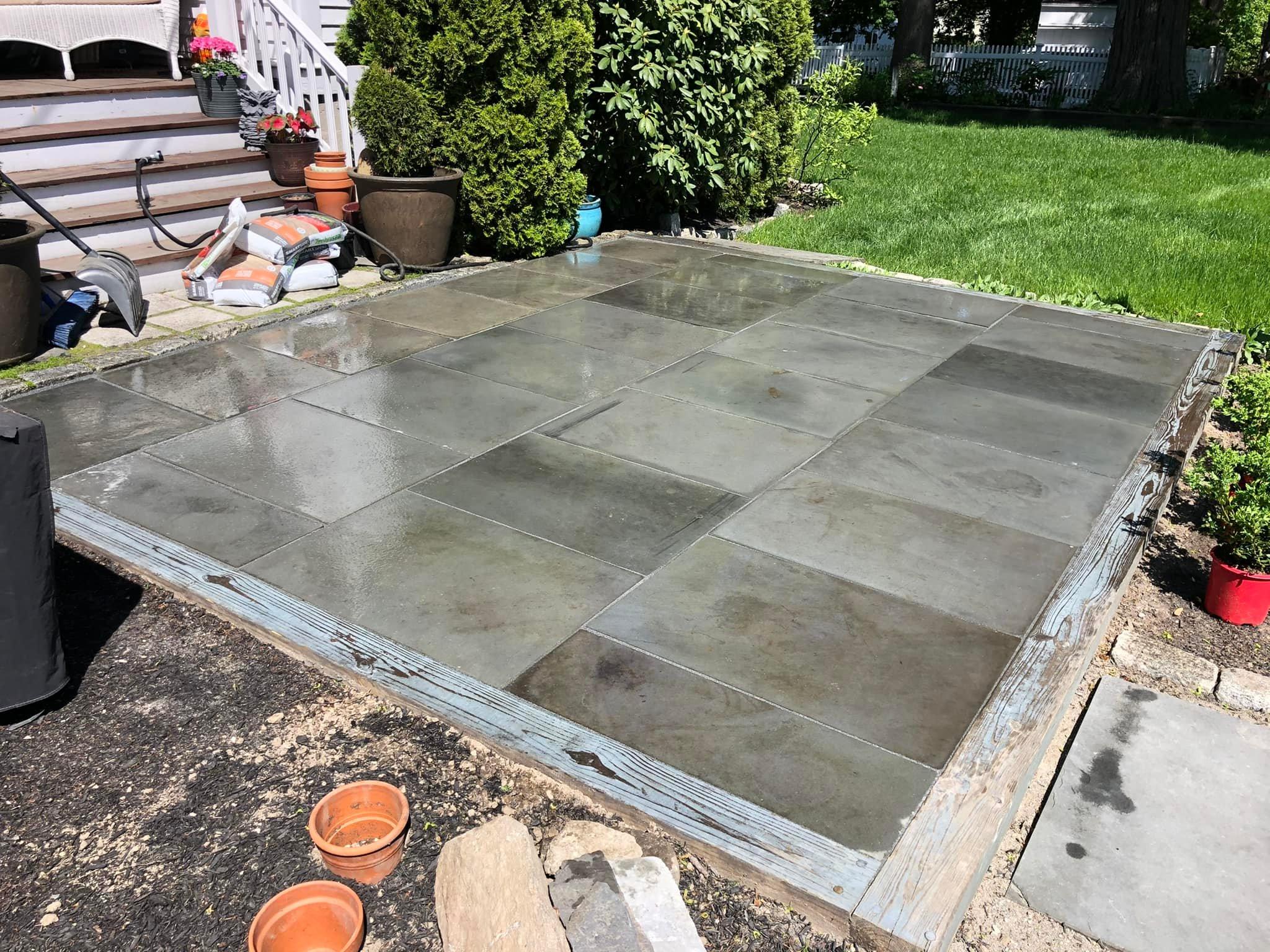
Are you tired of constantly repaving your driveway or patio due to cracks and stains? Do you want to give your concrete surfaces a longer lifespan and save money in the long run? Well, look no further because this blog post has got you covered. Concrete sealing is an essential step in maintaining and preserving any concrete surface, but not many people are aware of its importance. In this fast-paced world where time is precious, we don’t have the luxury to keep redoing our surfaces every few years. That’s why mastering the art of concrete sealing is crucial for both homeowners and professionals alike. With proper techniques and tools, you can ensure optimal results that will enhance the appearance and durability of your concrete surfaces. So buckle up and get ready to learn all about concrete sealing tips and tricks that will make your life easier!
Understanding the Purpose of Concrete Sealing and Its Benefits
Concrete sealing is more than just a simple application—it serves as a protective barrier for your concrete surfaces. Here lies its main purpose: to protect your concrete from harsh external elements such as rain, sun, snow, and even daily wear and tear. When left unprotected, these factors can cause your concrete to crack, stain, or discolor, leading to a rough and unattractive appearance.
But with the right concrete sealer, you can put these worries aside. Concrete sealers penetrate the porous surface of the concrete, filling in gaps and preventing moisture from seeping in. This not only prevents the formation of cracks but also helps to resist staining and discoloration.
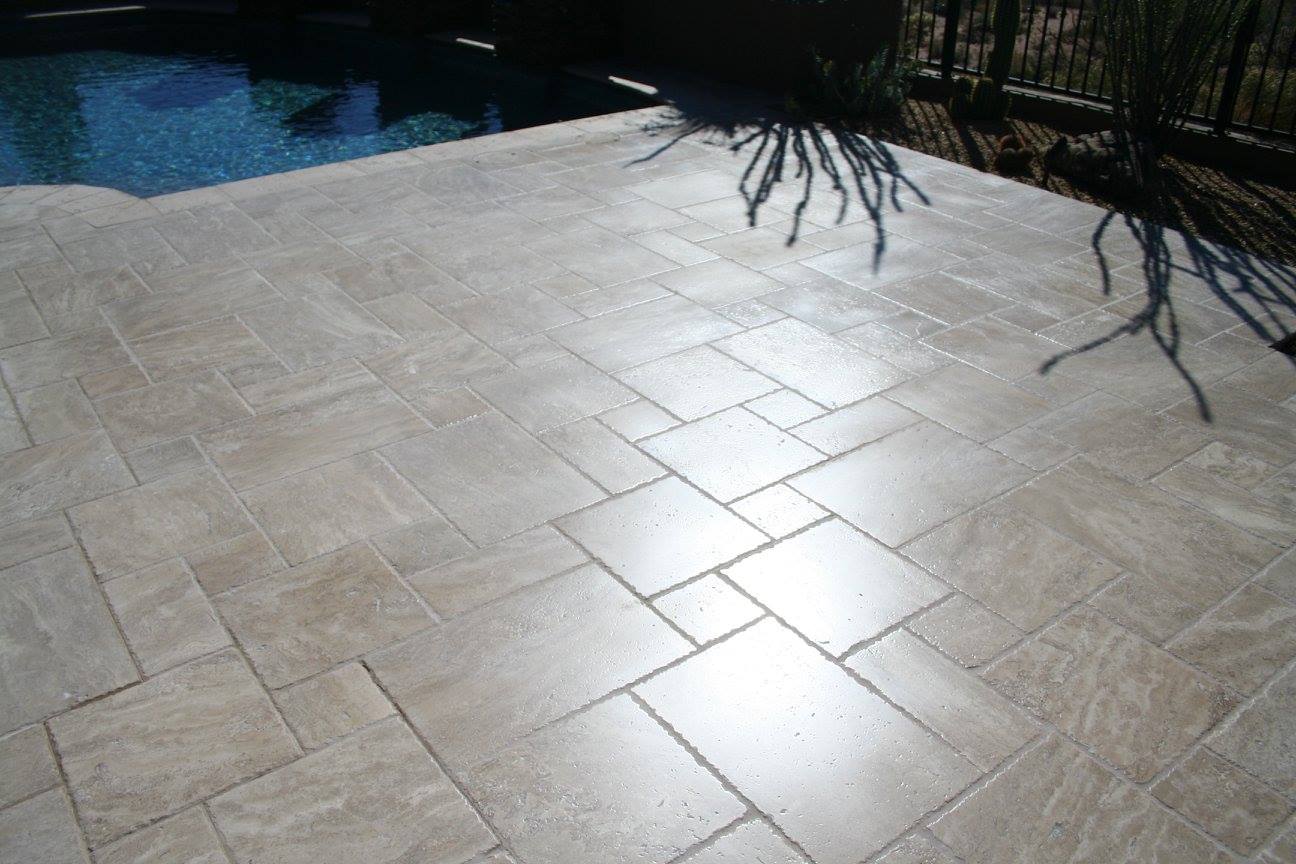
Moreover, concrete sealing can enhance the aesthetic value of your surfaces. It can add a glossy finish to your concrete, making it look polished and well-maintained. Plus, it can significantly extend the lifespan of your concrete, saving you from expensive and time-consuming repairs or replacements.
In essence, concrete sealing offers a practical and cost-effective solution for maintaining the strength, beauty, and integrity of your concrete surfaces.
Choosing the Right Type of Sealer for Your Specific Needs
When choosing a sealer for your concrete surface, it’s important to consider your specific needs and the condition of your concrete. There are two main types of sealers: penetrating sealers and topical sealers.
Penetrating sealers are absorbed by the concrete, giving it strength from within. They are ideal for outdoor surfaces exposed to harsh weather conditions because they provide robust protection against moisture and freeze-thaw cycles. Silane, siloxane, and silicates are examples of penetrating sealers.
On the other hand, topical sealers form a protective layer on the surface of the concrete. They are great for enhancing the concrete’s appearance as they are available in a range of sheens and can add a glossy, wet look to the surface. Acrylic, epoxy, and polyurethane are examples of topical sealers.
It’s essential to remember that not all sealers are created equal. Some may offer better protection but might require a more complicated application process. Others may be easier to apply but may require regular reapplication. Consider your specific needs, budget, and maintenance preference when choosing the right sealer for your concrete surfaces.
Preparing the Surface for Sealing: The Key to Optimal Results
Before applying the sealer, you need to prepare your concrete surface meticulously to ensure optimal results. Start by giving your concrete a thorough clean. Remove any dirt, grease, or stains using a pressure washer or a simple soapy solution. This step is crucial as any leftover contaminants can prevent the sealer from adhering properly to the surface.
Next, check the concrete for any existing cracks or damage. If you find any, it’s essential to repair them before sealing. You can use a concrete patching compound for smaller cracks or a concrete resurfacer for larger areas of damage.
Once the surface is clean and repaired, it’s time to let it dry completely. Applying the sealer on a damp surface can lead to complications such as uneven application and can even prevent the sealer from penetrating the concrete effectively. Depending on the weather conditions and the size of your surface, it may take anywhere from 24 to 48 hours for the concrete to dry completely.
Remember, preparation is just as important as the sealing process itself. By taking the time to prepare your surface properly, you can ensure a successful application and achieve the best possible results.
Step-by-Step Guide to Sealing Your Concrete Surfaces
Choose the right sealer: Based on the type of your concrete surface, choose the sealer that best suits your needs. Whether it’s penetrating or topical, ensure that it provides the protection and finish you desire.
Prepare your tools: Gather all necessary tools and protective gear such as sealant applicator, roller or sprayer, gloves, mask, and safety goggles.
Apply the sealer: Start by applying the sealer from one corner of the surface, working your way towards the opposite side. Use a roller or sprayer to evenly distribute the sealer across the surface.
Let it dry: Allow the first coat of sealer to dry completely. The drying time may vary based on the type of sealer, so always refer to the manufacturer’s instructions.
Apply a second coat (if necessary): Depending on the porosity of your concrete and the type of sealer, you may need to apply a second coat. If so, ensure the first coat is completely dry before proceeding.
Final drying: Allow ample time for the final coat to dry. Refrain from walking on or using the surface until it’s fully cured, which can take 24-48 hours or more, again depending on the sealer and weather conditions.
Remember, patience and time are your allies in this process. Never rush the curing process as it can compromise the effectiveness of the sealer and longevity of your concrete surface.

Best Practices for Achieving an Even and Long-lasting Seal
Achieving an even and long-lasting seal on your concrete surfaces requires diligence, precision, and adherence to some best practices.
Even Application: Always ensure the sealer is applied evenly across the surface. Uneven application can lead to patchy areas where the concrete is not adequately protected. Using a roller or sprayer can help in distributing the sealer evenly.
Correct Quantity: Avoid using too much or too little sealer. Excess sealer can lead to pooling on the surface, while too little may not provide adequate protection. Always follow the manufacturer’s instructions on the quantity required for your specific surface area.
Proper Weather Conditions: The weather can significantly impact the effectiveness of the sealer. Ideally, sealing should be done in dry, mild conditions. If it’s too hot, the sealer may dry too quickly, causing it not to penetrate properly. Similarly, if it’s too cold or damp, the sealer may not adhere effectively.
Routine Maintenance: Even after your concrete has been sealed, routine cleaning and maintenance are crucial to prolong its lifespan. Regularly clean your concrete surfaces and reapply the sealer as recommended by the manufacturer.
Professional Consultation: If you’re unsure or inexperienced in concrete sealing, consider hiring a professional sealer. They have the skills, experience, and tools necessary to ensure the job is done correctly, maximizing the longevity of your concrete surfaces.
Adhering to these best practices will ensure an even and long-lasting seal, enhancing the durability and aesthetic appeal of your concrete surfaces.
Concrete sealers are an essential aspect of maintaining and protecting your concrete surfaces. From enhancing appearance to prolonging lifespan, they offer numerous benefits when applied correctly. Remember to choose the right sealer for your specific needs, properly prepare the surface, follow a step-by-step application process, and adhere to best practices for achieving optimal results. Whether you’re a DIY enthusiast or prefer to hire a professional, sealing your concrete surfaces is a critical maintenance step that should not be overlooked. So, take care of your concrete today for long-lasting and beautiful results tomorrow!
Stingray Sealing Services
https://www.google.com/maps?cid=9420210911153088529
13561 Luxe Ave Apt. 205, Bradenton, FL 34211
(941) 444-0573
https://stingraysealing.com/