Stamped Concrete Sealing Company Near Me: What Every Homeowner Should Know
Imagine the elegance of your patio or driveway enhanced by beautifully stamped concrete, its intricate patterns and vibrant colors captivating every guest. Yet, without proper care, this stunning surface can quickly lose its charm. The secret to maintaining its allure lies in sealing. Sealing stamped concrete not only preserves its aesthetic appeal but also enhances its durability, making it a crucial step for any homeowner seeking to protect their investment. In this guide, we uncover everything one needs to know about stamped concrete sealing company near me, ensuring your surfaces remain pristine and long-lasting.
Understanding the Importance: Why Seal Your Stamped Concrete?
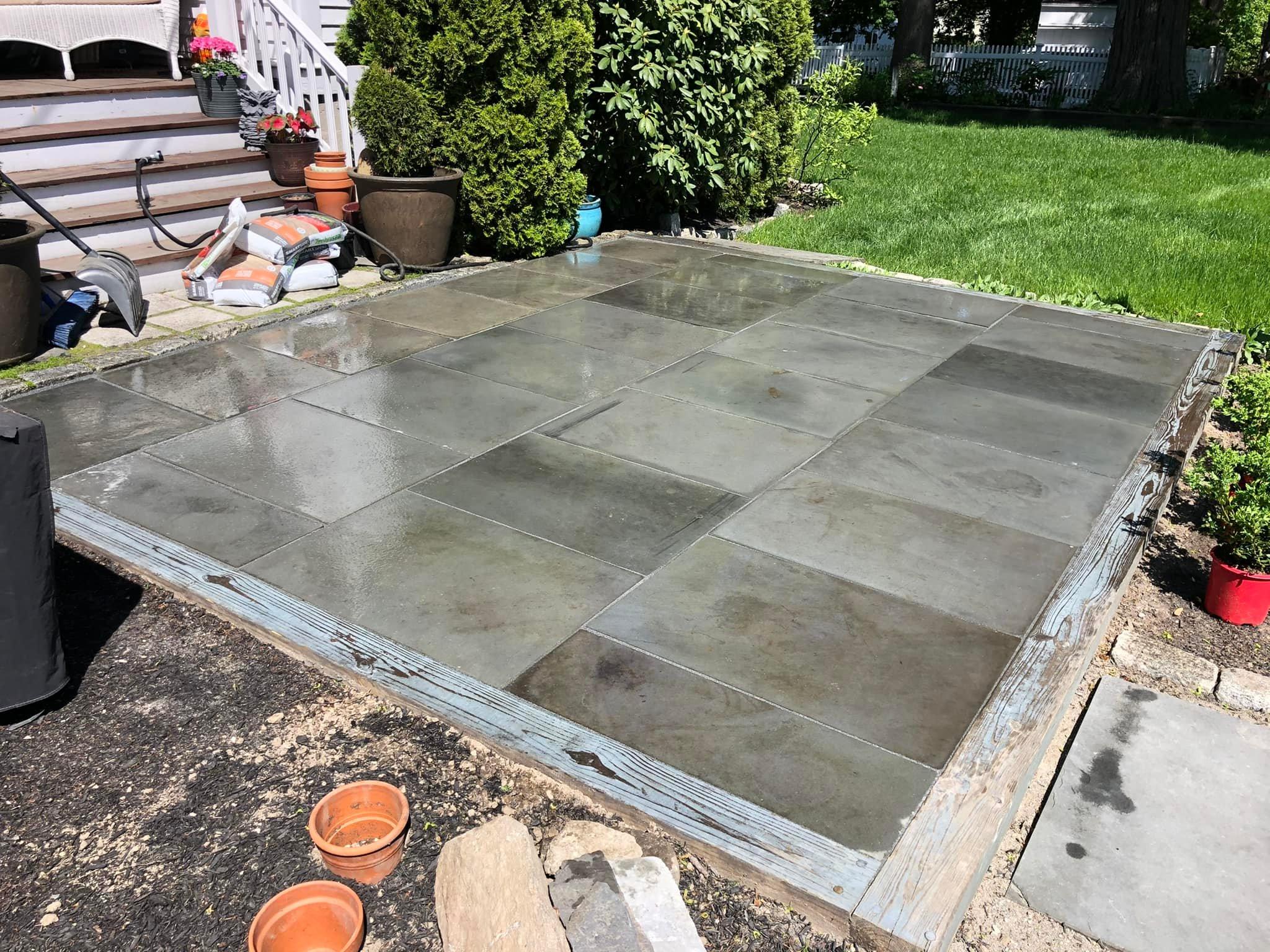
Sealing stamped concrete is a crucial step every homeowner should consider to protect their investment and maintain the beauty of their surfaces. Stamped concrete, with its intricate patterns and designs, is susceptible to damage from weather, stains, and wear over time. A quality sealant acts as a protective shield, guarding the surface against harsh environmental elements and preventing moisture penetration that can lead to cracks and erosion. By sealing the concrete, you not only preserve its structural integrity but also ensure that its stunning appearance is maintained for years to come. This protective layer simplifies cleaning and resists staining from common household spills, keeping your outdoor spaces pristine.
In addition to protection, sealing enhances the color and texture of stamped concrete, bringing out its natural beauty and making it more visually appealing. The sealant can intensify the hues and patterns, giving the surface a vibrant and polished look that stands out. Regular sealing is essential to maintain these aesthetic benefits and to ensure the longevity of the stamped concrete. As the sealant wears off over time due to exposure and use, periodic resealing is necessary to sustain its protective and enhancing qualities. By committing to a sealing routine, you not only preserve the visual appeal of your stamped concrete but also extend its lifespan, ensuring your outdoor spaces remain inviting and durable.
Choosing the Right Sealer: What Works Best?
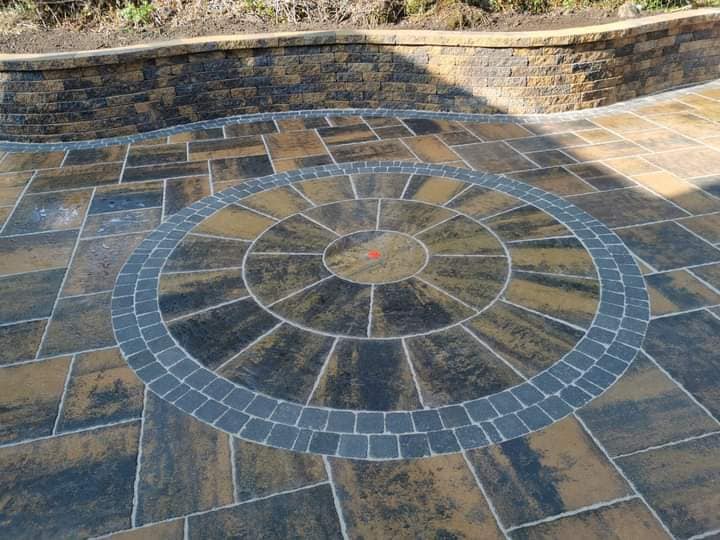
Choosing the right sealer for stamped concrete is crucial to achieving the desired look and protection for your surfaces. There are several types of sealers available, each offering unique benefits. Acrylic sealers are popular for their ability to enhance color and provide a glossy finish, making the intricate patterns of stamped concrete more vibrant. They are also easy to apply and allow for breathability, which is essential in preventing moisture build-up. Epoxy sealers, on the other hand, are known for their robust protection and durability, making them an excellent choice for areas with heavy foot traffic. They create a hard, long-lasting barrier that resists wear and tear. Polyurethane sealers offer excellent protection against UV rays and weather damage, making them ideal for outdoor applications where exposure to the elements is a concern.
When selecting a paver sealer, it’s important to consider the specific needs of your project and the environmental conditions of your area. For instance, if your stamped concrete is in a region with intense sunlight, a UV-resistant polyurethane sealer may be the best choice. If you aim to highlight the color and texture of your concrete, an acrylic sealer could be more suitable. The right sealer will not only enhance the appearance of your stamped concrete but also extend its lifespan by providing the necessary protection against environmental factors. By aligning the choice of sealer with your specific requirements, you ensure that your stamped concrete remains both beautiful and durable over time.
The Sealing Process: Step-by-Step Guide
Sealing stamped concrete involves a meticulous step-by-step process that ensures both its beauty and longevity. The first crucial step is to thoroughly clean the surface, removing any dirt, debris, or previous coatings that might interfere with the new sealer’s adhesion. This can typically be done with a pressure washer and appropriate cleaning agents, allowing the concrete to dry completely afterward. Once clean, selecting the right sealer is essential, tailored to the specific conditions and desired outcome of the project. Whether it’s an acrylic sealer for enhanced color or a polyurethane one for better UV protection, the choice should align with the environmental demands and aesthetic goals.
After selecting the appropriate sealer, the next step is applying it evenly across the surface. Using a roller or sprayer, ensure the sealer covers all areas uniformly to avoid streaks or missed spots. It’s important to follow the manufacturer’s instructions for application to achieve optimal results. Once applied, allow adequate drying time, which can vary depending on the type of sealer used and the weather conditions. Proper drying is crucial for the sealer to form a protective barrier that enhances the stamped concrete’s durability and appearance. By carefully following these steps, homeowners can ensure a successful sealing process that maintains the integrity and appeal of their stamped concrete surfaces.
Timing Is Everything: When to Seal
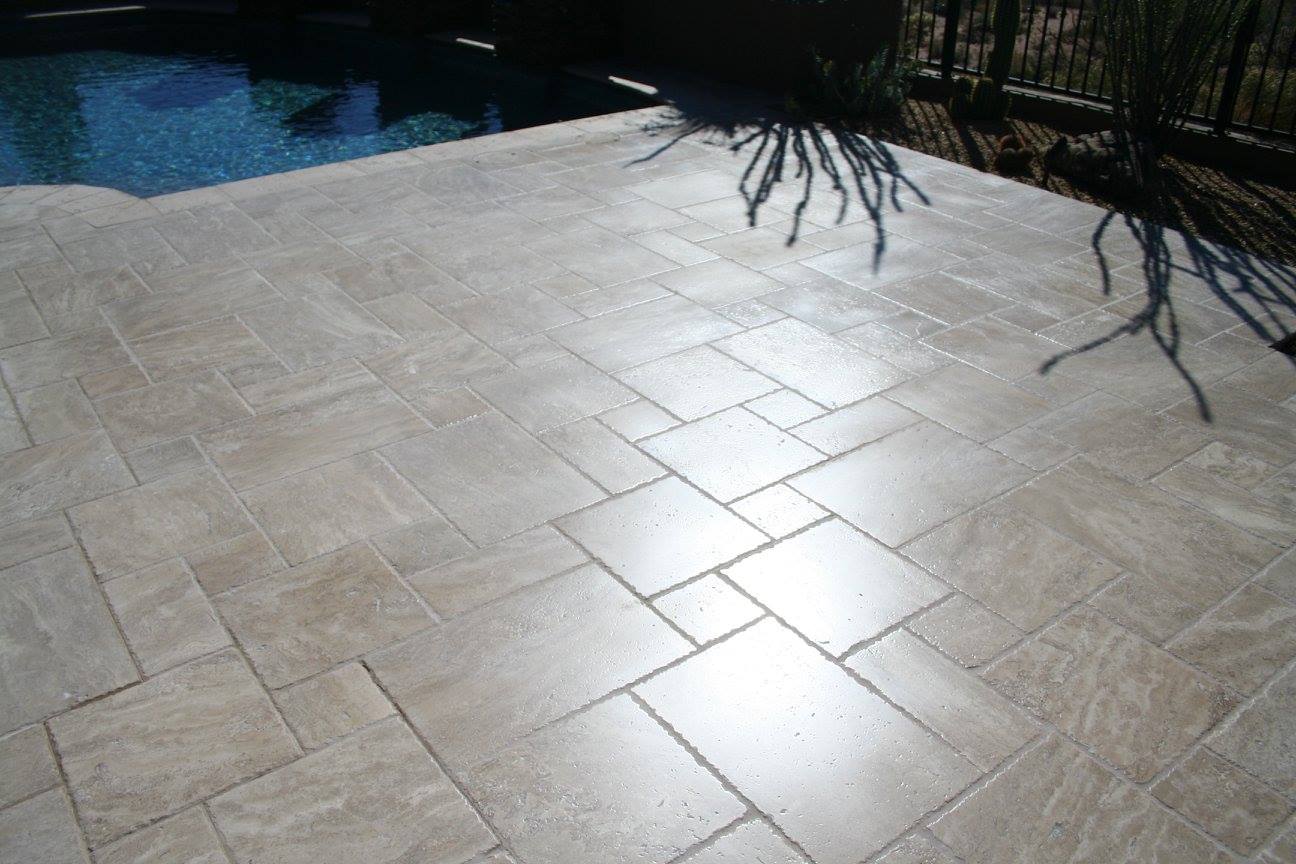
Timing is a critical factor when it comes to sealing concrete, ensuring that the sealer provides optimal protection and durability. The first key consideration is allowing the concrete to cure properly before applying any sealer. Generally, it is recommended to wait at least 28 days after pouring new concrete, as this period allows the concrete to fully harden and reach sufficient strength. Sealing too early can trap moisture within the concrete, leading to issues such as reduced adhesion of the sealer and potential damage to the surface. Patience in this initial stage is essential to ensure the longevity and effectiveness of the sealing process.
In addition to proper curing time, selecting the right weather conditions is crucial for successful sealing. Ideally, sealers should be applied during dry weather with moderate temperatures, avoiding extreme heat or cold. Rain or high humidity can interfere with the sealer’s ability to bond with the concrete, while excessive heat can cause it to dry too quickly, leading to streaks and uneven coverage. By sealing under appropriate conditions, homeowners can ensure that the sealer forms a robust protective barrier, enhancing the stamped concrete’s appearance and resilience. Proper timing not only maximizes the benefits of the sealer but also extends the life and beauty of your concrete surfaces.
Maintaining Sealed Concrete: Keep It Looking New
Maintaining sealed stamped concrete is essential to keep it looking pristine and to maximize its lifespan. Regular cleaning practices are a cornerstone of effective maintenance. Begin by sweeping the surface frequently to clear away leaves, dirt, and debris that can accumulate and mar the surface. This helps prevent scratches and stains that could dull the concrete’s appearance. In addition to sweeping, it’s beneficial to wash the concrete periodically with water and a mild detergent to remove any lingering grime or stains. This routine cleaning not only keeps the surface looking fresh but also prevents the buildup of substances that could eventually harm the sealer.
Beyond regular cleaning, resealing is a critical step in maintaining the protective layer of your stamped concrete. Over time, the initial sealer can wear down due to weather exposure and foot traffic, diminishing its protective qualities. Resealing periodically restores this layer, ensuring that the concrete remains shielded from moisture, UV rays, and other damaging elements. By keeping up with resealing, you enhance the concrete’s appearance, keeping the colors vibrant and the textures sharp. Proper maintenance through consistent cleaning and timely resealing not only preserves the aesthetic appeal of your stamped concrete but also extends its durability, ensuring it continues to be an attractive feature for years to come.

Common Mistakes to Avoid: Ensuring Success
Sealing stamped concrete is a process that requires careful attention to detail to avoid common pitfalls that could compromise the surface’s appearance and longevity. One frequent mistake is applying sealer to damp concrete, which can trap moisture and lead to poor adhesion and potential damage. This can result in peeling or bubbling of the sealer, undermining its protective purpose. Another error is selecting the wrong type of sealer, which may not be suitable for the specific environmental conditions or desired finish, leading to issues like discoloration or inadequate protection. It’s crucial to choose a sealer that aligns with the concrete’s needs and the external climate to ensure optimal results.
Applying too much sealer at once is another common misstep that can create a slippery surface, posing safety risks. Excessive sealer can also lead to an uneven finish, with areas that appear blotchy or glossy. To avoid these issues, it’s important to apply the sealer in thin, even coats, allowing adequate drying time between applications. Following the manufacturer’s guidelines and using proper tools can help achieve a uniform, professional finish. By understanding and avoiding these common mistakes, homeowners can ensure their stamped concrete remains beautiful and durable, enhancing their property’s aesthetic and value over time.
Conclusion
Sealing your stamped concrete is an invaluable step in protecting and enhancing your outdoor spaces. By understanding the importance, of selecting the right products, and following proper application and maintenance protocols, you can preserve the beauty and durability of your concrete surfaces for years to come. Don’t wait until your investment shows signs of wear—take proactive steps today to seal and protect your stamped concrete, ensuring it remains a stunning feature of your home environment.
Stingray Sealing Services
https://www.google.com/maps?cid=9420210911153088529
13561 Luxe Ave Apt. 205, Bradenton, FL 34211
(941) 444-0573
https://stingraysealing.com/