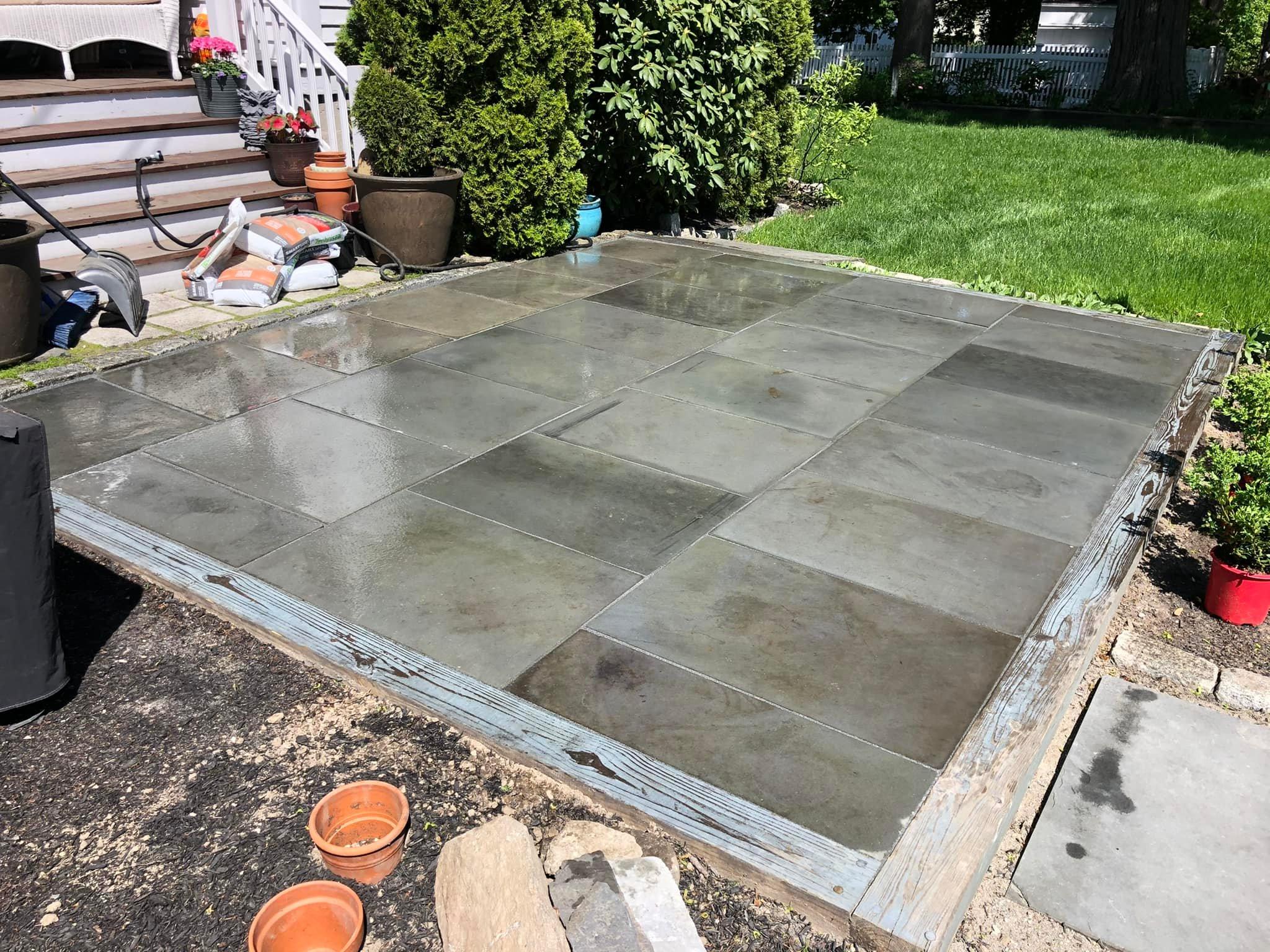
Are you looking for ways to protect your home or business from the elements? Or maybe you need to ensure that your concrete is waterproof and secure before adding a shiny new coat of paint. Whatever the reason may be, knowledge is power when it comes to protecting your investment with concrete sealing. Learn the facts about what goes into this often-overlooked precautionary measure, from understanding why you should seal to learning how long it lasts—we’ll cover everything you need to know in this comprehensive guide!
What is the purpose of concrete sealing and why should you do it regularly
Concrete is a durable material that is commonly used for outdoor surfaces such as driveways, patios and sidewalks. However, without proper maintenance, concrete can start to deteriorate over time due to exposure to rain, UV rays, and other environmental factors. This is where concrete sealing comes in. The purpose of concrete sealing is to provide a protective layer that helps prevent water, stains, and other contaminants from penetrating the surface. Regularly sealing your concrete surfaces not only helps to extend their lifespan, but also keeps them looking their best. Additionally, it can also prevent safety hazards such as slippery surfaces.

Different types of sealers used for sealing concrete surfaces
When it comes to sealing concrete surfaces, there are multiple sealers available on the market. One popular type of sealer is the acrylic sealer, which provides a protective layer and enhances the color of the concrete. Another option is the epoxy sealer, which is designed for high-traffic areas as it can withstand abrasions and chemicals. A penetrating sealer is also useful for outdoor areas, as it repels water and reduces the risk of spalling. Additionally, a polyurethane sealer is a popular choice for indoor concrete, as it dries quicker and is more abrasion-resistant than other sealers.
How to apply concrete sealer correctly and safely
Concrete sealer is an excellent way to protect your concrete surfaces from wear and tear, but it’s crucial to apply it correctly and safely. Before applying the sealer, make sure that the surface is clean, dry, and free of debris. You should also protect yourself by wearing protective gear such as gloves, goggles, and a respirator. Applying the sealer is relatively simple. Use a sprayer or brush to apply it evenly to the surface, ensuring that the entire surface is covered. Allow the sealer to dry completely before using the surface again.
What are the common mistakes to avoid when applying sealer
When it comes to applying sealer to your surfaces, mistakes can be costly. While applying sealer can be a straightforward process, there are common mistakes to avoid. Firstly, do not apply too much sealer at one time. Doing this can create a hazy and uneven appearance, which will make your surface look unattractive. Secondly, avoid applying sealer in damp or humid conditions. Moisture can interfere with the sealer’s ability to bond with the surface, leading to a weak and ineffective seal. Lastly, make sure to follow proper application instructions as failing to do so can cause issues such as bubbling and chipping.
DIY tips on how to save money when sealing your concrete surfaces
One key to saving money on home maintenance is to take matters into your own hands, and that couldn’t be truer when it comes to sealing your concrete surfaces. With a few key DIY tips, you can learn how to properly seal your surfaces without breaking the bank. From choosing the right sealant to following proper application techniques, there are many ways to ensure that your concrete stays protected and looking its best for years to come, all while keeping your wallet happy. So why not take on this project yourself and save some cash in the process?
Maintenance tips – how often should you reseal and what signs indicate that it is time for a new coat of sealant
Keeping up with maintenance tasks is an important aspect of caring for your home. When it comes to resealing, it can be difficult to know when it’s time to apply a new coat. A general rule of thumb is to reseal every 1-3 years, depending on the specific product used and the amount of wear and tear the area receives. However, it’s always a good idea to keep an eye out for signs that your sealant is wearing thin. These may include discoloration, cracks, or water damage on the surface. If you notice any of these warning signs, it’s time to start planning for a fresh coat of sealant to keep your home in great shape.
Concrete surfaces sealing doesn’t have to cost an arm and a leg; with proper planning and budgeting strategies, you can easily keep up with the maintenance at minimal expense. Despite the labor involved, protecting your investment in the long term is worth its weight in gold. So, make sure to take advantage of our knowledge regarding concrete sealing and apply it to keep your surfaces in top shape at all times!
Stingray Sealing Services
https://www.google.com/maps?cid=9420210911153088529
13561 Luxe Ave Apt. 205, Bradenton, FL 34211
(941) 444-0573
https://stingraysealing.com/