
How Regular Concrete Sealing Can Prevent Damage and Increase Longevity
Imagine walking on a sleek, well-maintained concrete surface that not only enhances the aesthetics of your property but also stands the test of time. Concrete surfaces, whether they are driveways, patios, or walkways, are foundational elements of your home’s exterior. However, without proper maintenance, these surfaces can quickly succumb to the elements, leading to unsightly damage and costly repairs. Regular concrete sealing is a simple yet effective measure that can protect your investment and prolong the life of your concrete surfaces. Let’s explore the multifaceted benefits of this essential maintenance practice.
Protecting Against Moisture
Regular concrete sealing is an essential measure for protecting surfaces against moisture, a major contributor to structural damage. When concrete is left unsealed, water can easily penetrate the surface, leading to issues such as cracks, erosion, and the damaging effects of freeze-thaw cycles. By applying a sealant, a protective barrier is formed that repels water, significantly reducing its ability to seep into the concrete. This barrier helps to maintain the structural integrity of the concrete, minimizing the chances of moisture-related deterioration. As a result, surfaces remain intact and resilient, ensuring they can withstand environmental challenges over time.
Moreover, maintaining sealed concrete is crucial for extending the lifespan of outdoor surfaces. Regular sealing not only prevents immediate damage but also offers long-term benefits by fortifying surfaces against future wear and tear. By reducing the incidence of cracks and erosion, sealing decreases the need for frequent repairs, keeping maintenance costs low while preserving the concrete’s appearance and functionality. This proactive approach to concrete care ensures that driveways, patios, and walkways maintain their strength and visual appeal for years to come. Ultimately, concrete sealing is a wise investment that not only protects against moisture but also enhances durability, making it an indispensable part of outdoor surface maintenance.
Preventing Cracks
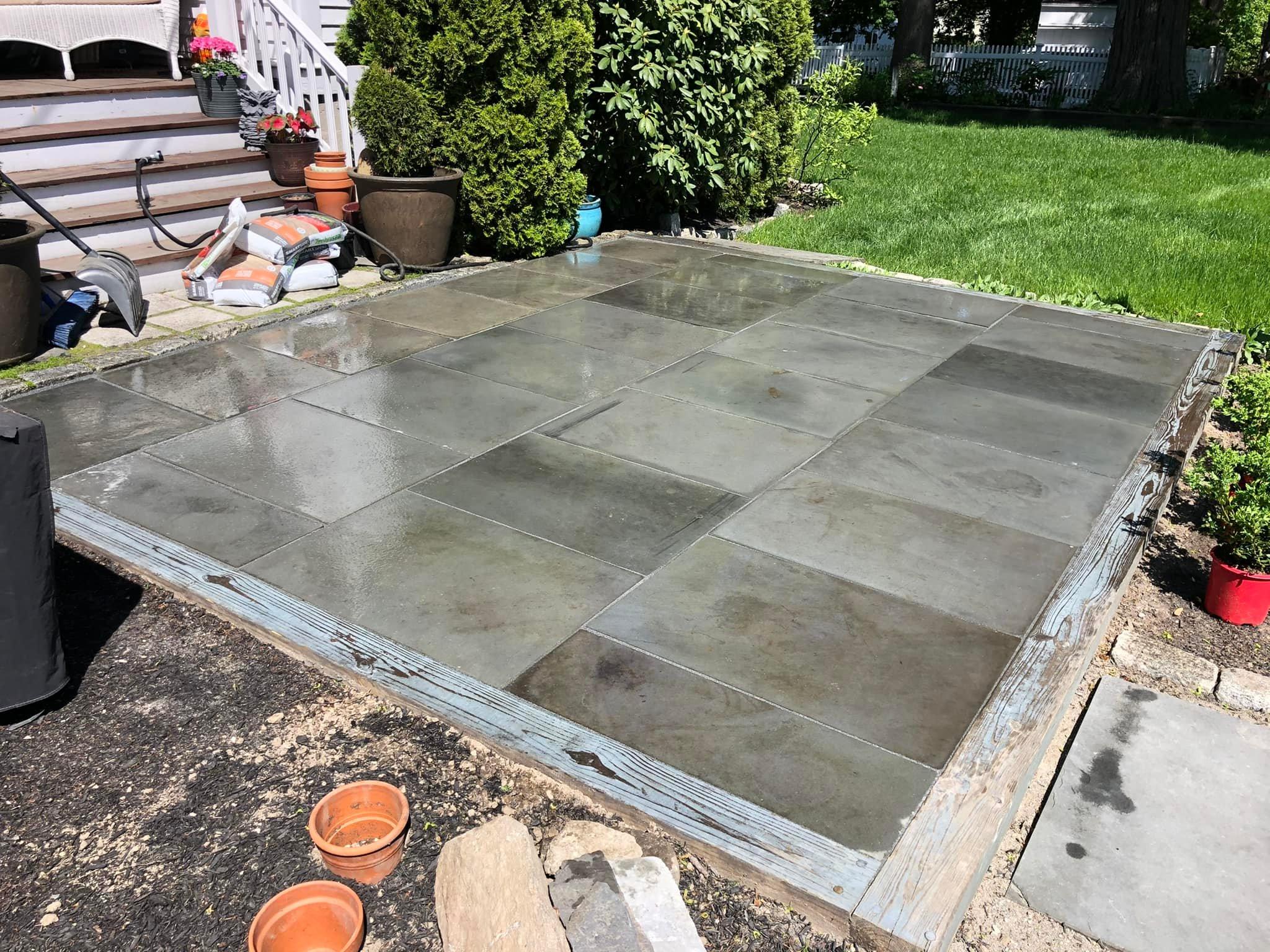
Regular concrete sealing is a vital measure in preventing cracks, which are often the precursors to more severe structural damage. By sealing concrete surfaces, a protective barrier is established that fills surface pores and shields against environmental stressors such as temperature fluctuations and moisture intrusion. These stressors are notorious for causing expansion and contraction in concrete, leading to crack formation over time. Sealing effectively mitigates this risk by creating a resilient surface that can better withstand the pressures of seasonal changes, reducing the likelihood of cracks forming and extending the integrity of the concrete.
Moreover, maintaining sealed concrete is essential for the longevity of outdoor surfaces. A well-sealed surface not only guards against immediate damage but also strengthens the concrete against future wear and tear. By preventing cracks, sealing reduces the need for frequent repairs, saving time and resources while maintaining the aesthetic appeal and functionality of surfaces like driveways, patios, and walkways. This proactive approach to concrete maintenance ensures a longer lifespan, keeping outdoor spaces looking pristine and performing optimally. Regular sealing acts as an investment in the durability and appearance of concrete surfaces, ensuring they remain a robust and attractive feature of any property for years to come.
Enhancing Appearance
Regular concrete sealing is an essential practice for maintaining the aesthetic appeal of concrete surfaces, which in turn prevents damage and increases longevity. Sealing helps preserve the original color and texture of the concrete, protecting it from unsightly stains and discoloration that can occur over time due to exposure to various elements such as rain, oil spills, and UV rays. By applying a sealant, a protective layer is formed on the surface, which not only enhances the visual charm of the concrete but also acts as a barrier against potential contaminants. This preservation of appearance ensures that driveways, patios, and walkways remain inviting and well-kept, adding value and curb appeal to any property.
Beyond aesthetics, maintaining sealed concrete is crucial for the durability of outdoor surfaces. The sealing process minimizes surface wear by providing an additional layer of defense against abrasion and physical damage. This fortification reduces the risk of surface deterioration, thereby extending the functional lifespan of the concrete. Regular sealing diminishes the need for repairs and replacements, allowing homeowners to enjoy long-lasting, beautiful surfaces with minimal maintenance. This proactive approach not only keeps concrete looking fresh and new but also ensures it retains its strength and resilience, making it a worthwhile investment in both form and function for any outdoor space.
Resisting Stains
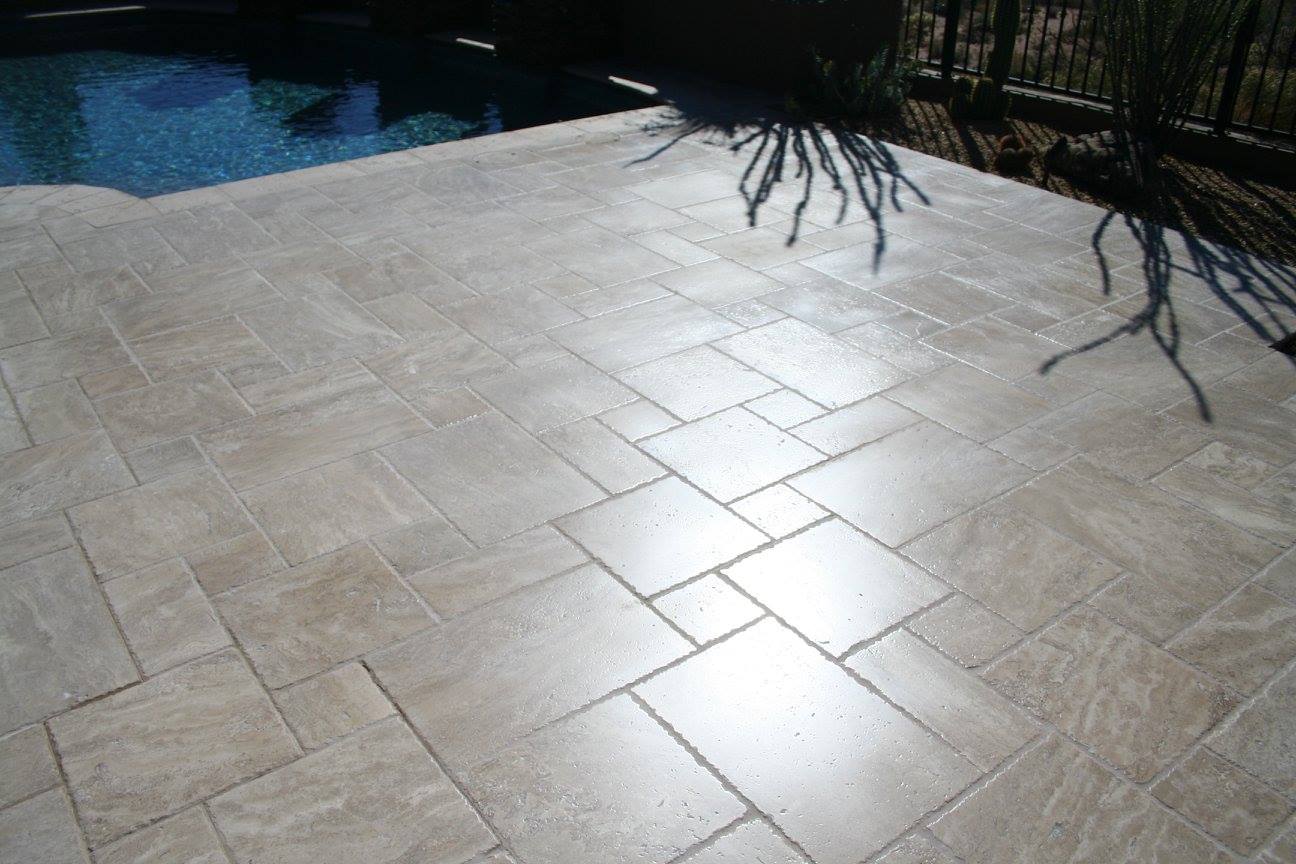
Regular concrete sealing is a crucial practice for resisting stains, ensuring that concrete surfaces remain clean and visually appealing throughout their lifespan. By applying a paver sealant, a protective barrier is formed that effectively prevents oil, chemicals, and other potentially damaging substances from penetrating the surface of the concrete. This barrier acts as a shield against common staining agents, stopping them from seeping into the material and causing discoloration or degradation. As a result, driveways, patios, and other outdoor surfaces maintain their pristine condition, enhancing the overall aesthetic appeal of any property.
In addition to preserving appearance, maintaining sealed concrete is vital for its durability and longevity. Without this protective layer, concrete is vulnerable to stains that can lead to long-term damage if not addressed promptly. Sealing minimizes surface wear by reducing the risk of chemical reactions and physical abrasions that can weaken the structure over time. This preventative measure extends the functional life of the concrete, reducing the need for frequent cleaning and repairs while ensuring that outdoor spaces retain their strength and beauty. Regular sealing is an investment in the durability and resilience of concrete surfaces, providing peace of mind that they will remain robust and attractive for years to come.
Reducing Maintenance Costs
Regular concrete sealing plays a pivotal role in reducing maintenance costs by providing an effective defense against environmental damage. By creating a protective barrier, sealing prevents issues such as moisture penetration, freeze-thaw cycles, and UV damage, all of which can lead to significant deterioration of concrete surfaces. This layer of protection means that concrete is less susceptible to cracking, chipping, and other forms of wear and tear, significantly reducing the frequency and cost of repairs. Additionally, sealed surfaces are easier to clean and maintain, as the sealant repels stains from oil, chemicals, and debris. This not only keeps outdoor areas looking pristine but also minimizes the time and resources spent on upkeep.
Moreover, maintaining sealed concrete is a strategic investment in the longevity and durability of outdoor surfaces. With a reduced need for repairs and less frequent cleaning, homeowners can enjoy substantial savings over time. The initial investment in sealing is offset by the long-term reduction in maintenance expenses, making it a cost-effective solution for preserving the integrity of driveways, patios, and walkways. Regular sealing ensures that concrete remains robust and visually appealing, preventing costly damage and extending the lifespan of these surfaces. Ultimately, this proactive approach to concrete care not only enhances the property’s aesthetic appeal but also ensures that it remains a durable and economically sound investment.

Extending Lifespan
Regular concrete sealing is a critical practice for extending the lifespan of concrete surfaces by safeguarding them against a range of environmental stressors. Sealing acts as a robust protective barrier that shields concrete from moisture, a leading cause of structural damage. By preventing water penetration, it reduces the likelihood of cracks and erosion, especially in regions with freeze-thaw cycles where water expansion can cause severe damage. Additionally, sealing helps mitigate the effects of temperature fluctuations that can lead to thermal stress, ensuring the concrete maintains its structural integrity over time. This protective layer also defends against chemical exposure, preventing harmful substances like oils and de-icing salts from causing deterioration.
Maintaining sealed concrete is essential for ensuring these benefits are long-lasting. Without regular sealing, concrete surfaces are much more vulnerable to damage, which can lead to costly repairs and a shorter overall lifespan. A well-sealed surface not only remains resilient against environmental challenges but also retains its aesthetic appeal, contributing to the property’s overall value. By extending the functional life of concrete, regular sealing proves to be a cost-effective strategy, minimizing the need for frequent maintenance and replacement. This proactive approach not only preserves the strength and beauty of outdoor surfaces but also ensures they remain a durable feature for years to come.
Conclusion
In conclusion, regular concrete sealing is not just an aesthetic choice but a practical one that offers numerous benefits. From protecting against moisture and cracking to enhancing appearance and reducing maintenance costs, the advantages are clear. By incorporating sealing into your property maintenance routine, you protect your investment and ensure the durability and beauty of your concrete surfaces. Consider making this simple yet effective practice a regular part of your home care strategy to enjoy long-lasting, damage-free concrete surfaces.
Stingray Sealing Services
https://www.google.com/maps?cid=9420210911153088529
13561 Luxe Ave Apt. 205, Bradenton, FL 34211
(941) 444-0573
https://stingraysealing.com/

